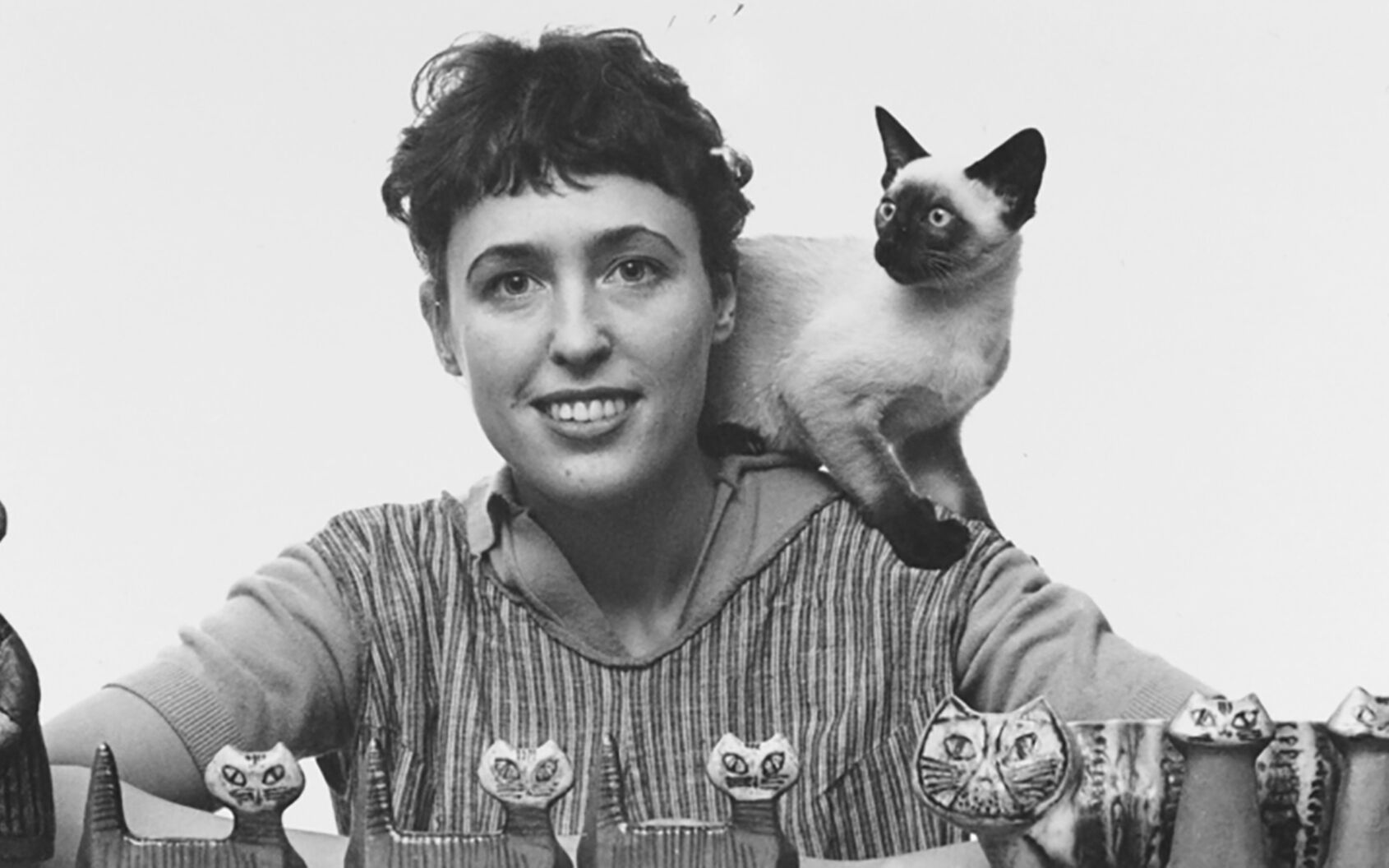
Lisa Larson is one of the designers most closely associated with Gustavsberg. Through her distinctive figures and mass-produced objects, she has earned a central place in the history of Swedish ceramics and design in the 20th century.
Lisa Larson (1931–2024) is one of Sweden's best-known and most appreciated ceramicists. Her figures—animals, children, families, and characters from different parts of the world—have earned a natural place in both Swedish homes and museum collections.
Background and the path to Gustavsberg
Growing up in Småland, she had close access to both materials and craftsmanship. Her father's sawmill gave her access to scrap wood to work with, and he also provided her with clay. Together, these early experiences helped spark her interest in form.
From 1949 to 1954, she trained as a ceramist at the Slöjdföreningen school in Gothenburg. During her studies, she met the artist Gunnar Larson, whom she later married. In 1954, a competition was announced between Nordic arts and crafts schools. One of Lisa Larson's works was submitted as an entry, and the jury included Stig Lindberg, artistic director at the Gustavsberg porcelain factory. He noticed her design language and offered her a job with a trial year at Gustavsberg.
Both Lisa Larson and Gunnar Larson were initially hesitant to work in industry. They were concerned that their artistic freedom would be replaced by commercial demands. Gunnar Larson's teacher, the artist Endre Nemes, was then a professor at Valand and had previously worked for Gustavsberg. He encouraged them to accept the offer and emphasized that Gustavsberg at that time was a place where artistic design and industrial production could be combined.
Lisa Larson came to Gustavsberg in 1954. She became attached to the so-called “playhouse,” a studio where younger designers worked on new models under the guidance of Stig Lindberg. Here, ideas, shapes, and figures were tested before being selected for mass production. The planned trial year developed into a long-term employment. She remained at Gustavsberg until 1980.
Design at Gustavsberg
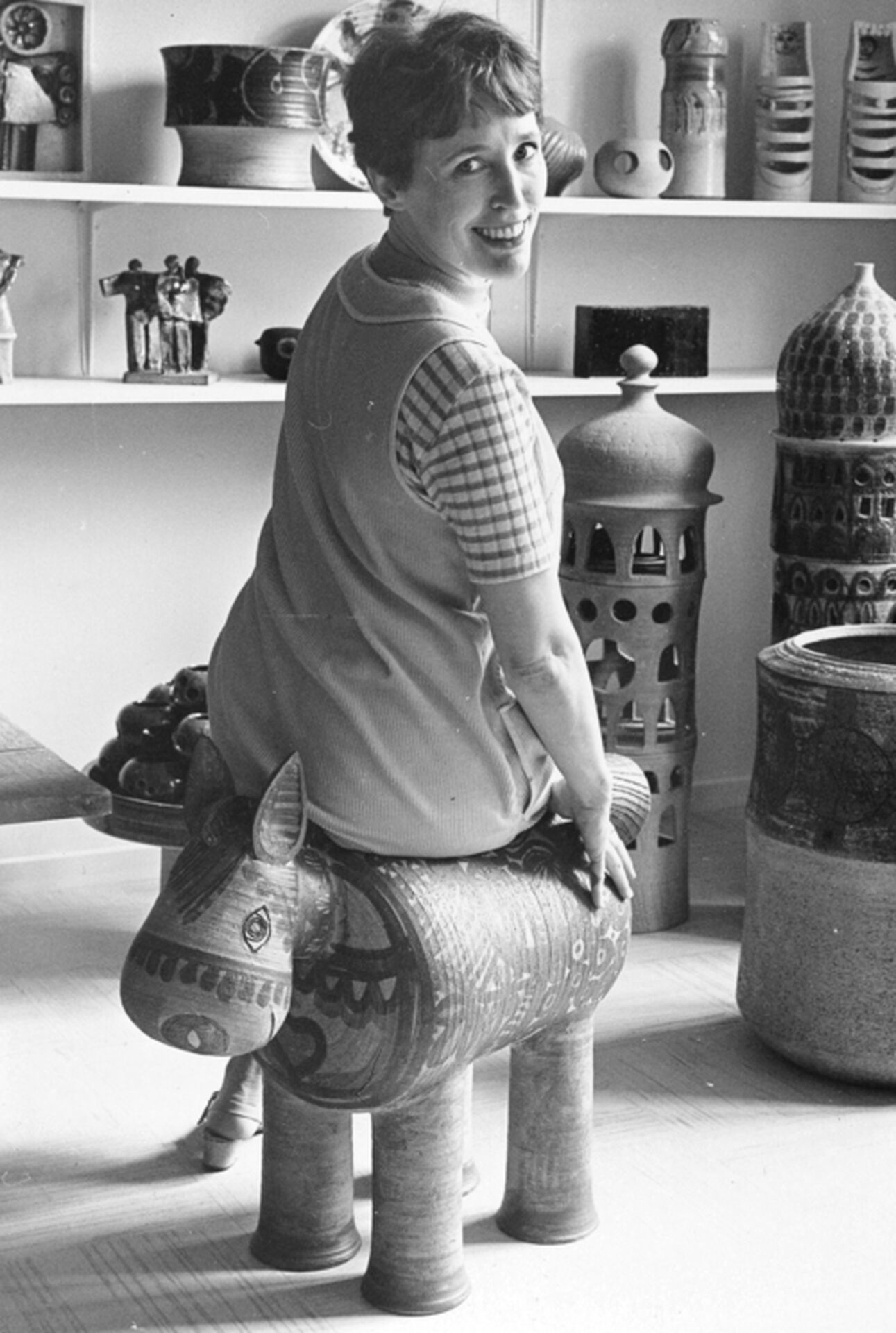
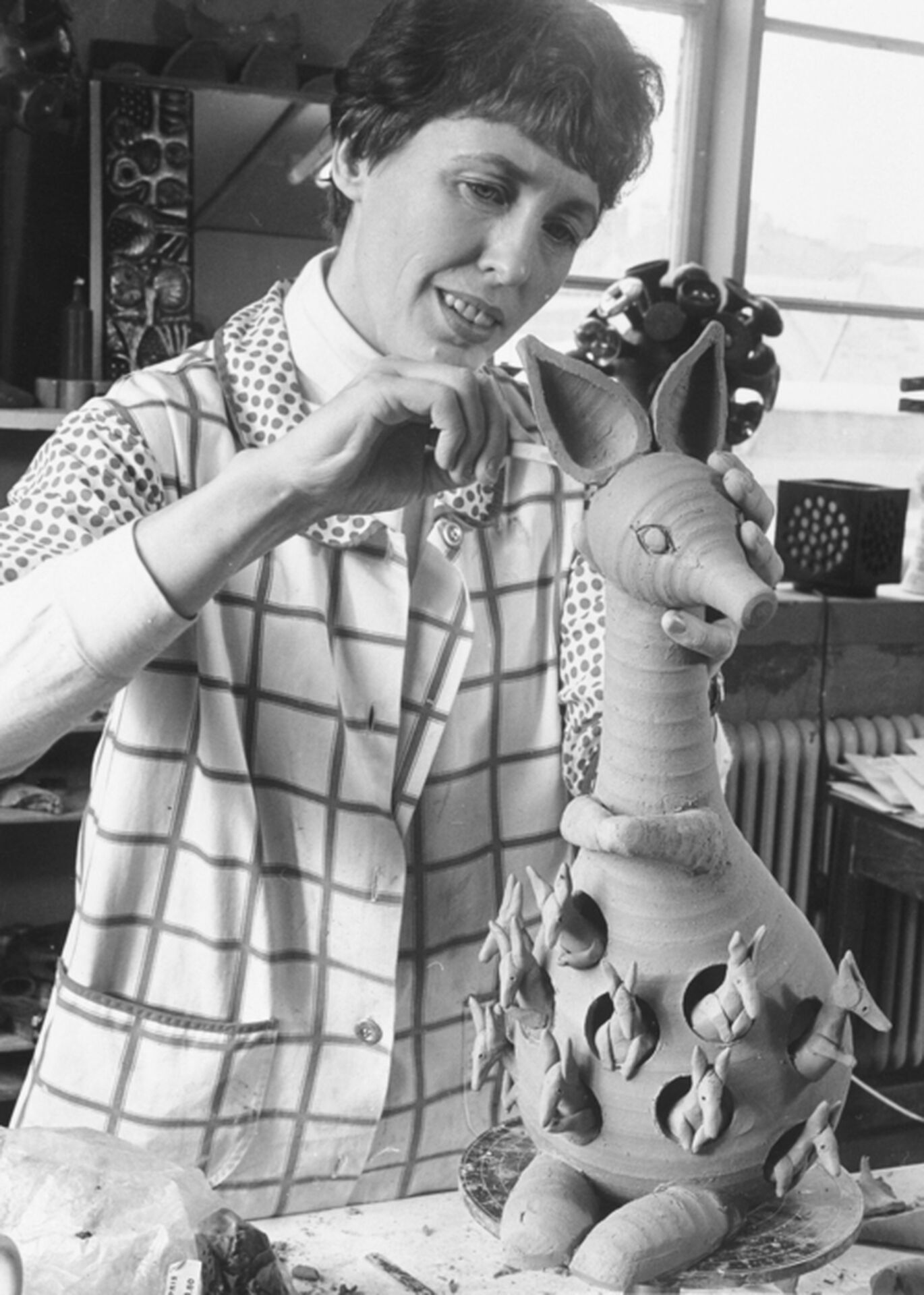
At Gustavsberg, Lisa Larson worked in an environment where craftsmanship, artistic design, and industrial manufacturing came together. Her task was to design objects that could be mass-produced and reach a wide audience, while at the same time bearing a clear personal expression.
During the 1950s and 60s, she developed a characteristic design language. It is characterized by soft, rounded shapes, clear silhouettes, and sparse decoration. The expression is often based on small details, such as simplified facial features and restrained gestures. In this way, the figures become both stylized and expressive.
Her production at Gustavsberg includes a large number of models. Several series have received particular attention. Among the early ones are Lilla Zoo(Small Zoo), with stylized animal figures, and ABC-flickor(ABC Girls), where the figures combine body, clothing, and letter shapes. Later series included Afrika(Africa) and Barn från hela världen (Children of the World), in which people from different cultures are depicted in a unified yet individual manner. Christmas and holiday-related figures, such as Adventsbarnen (Advent Children), have also become widely popular.
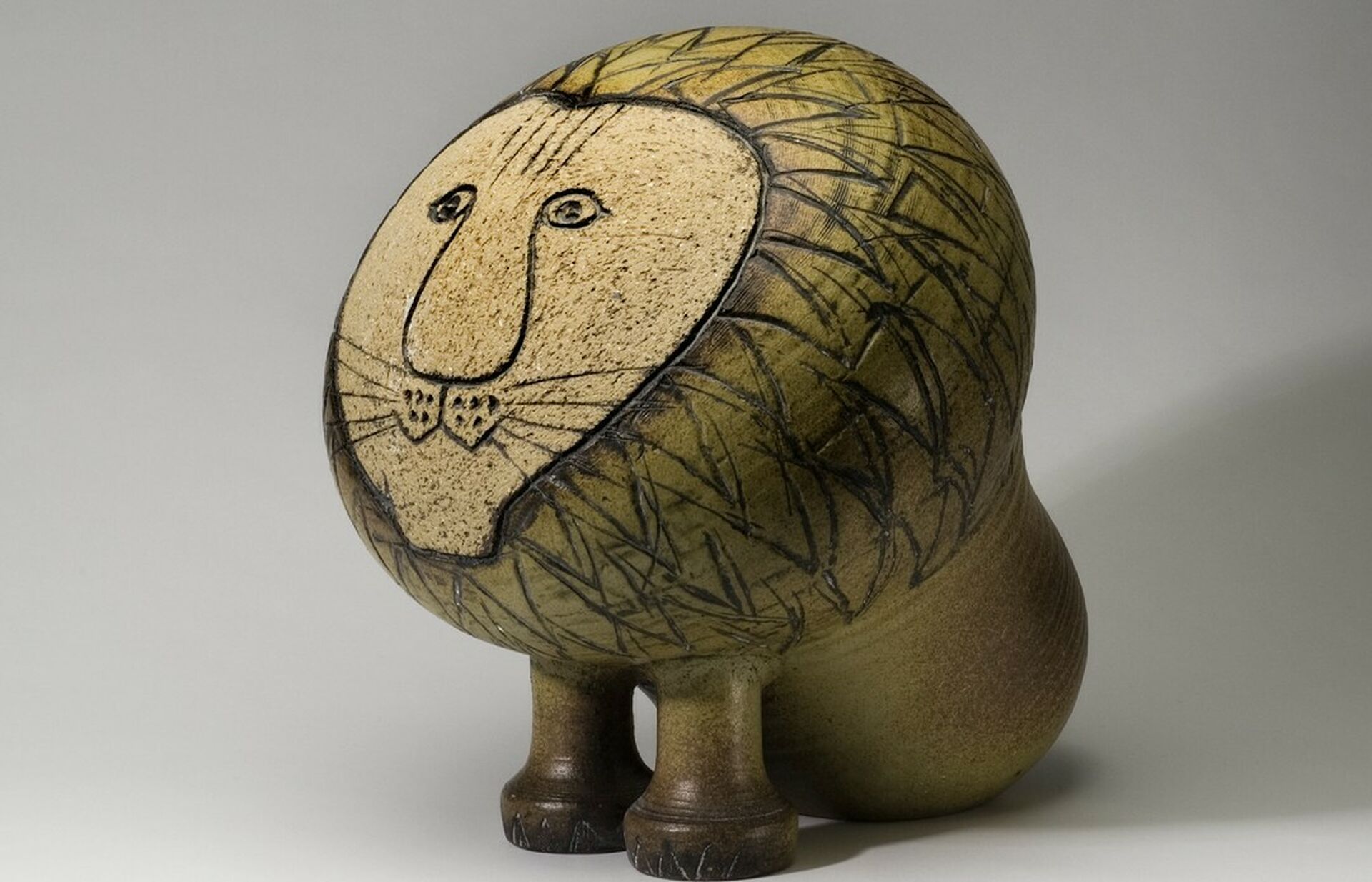
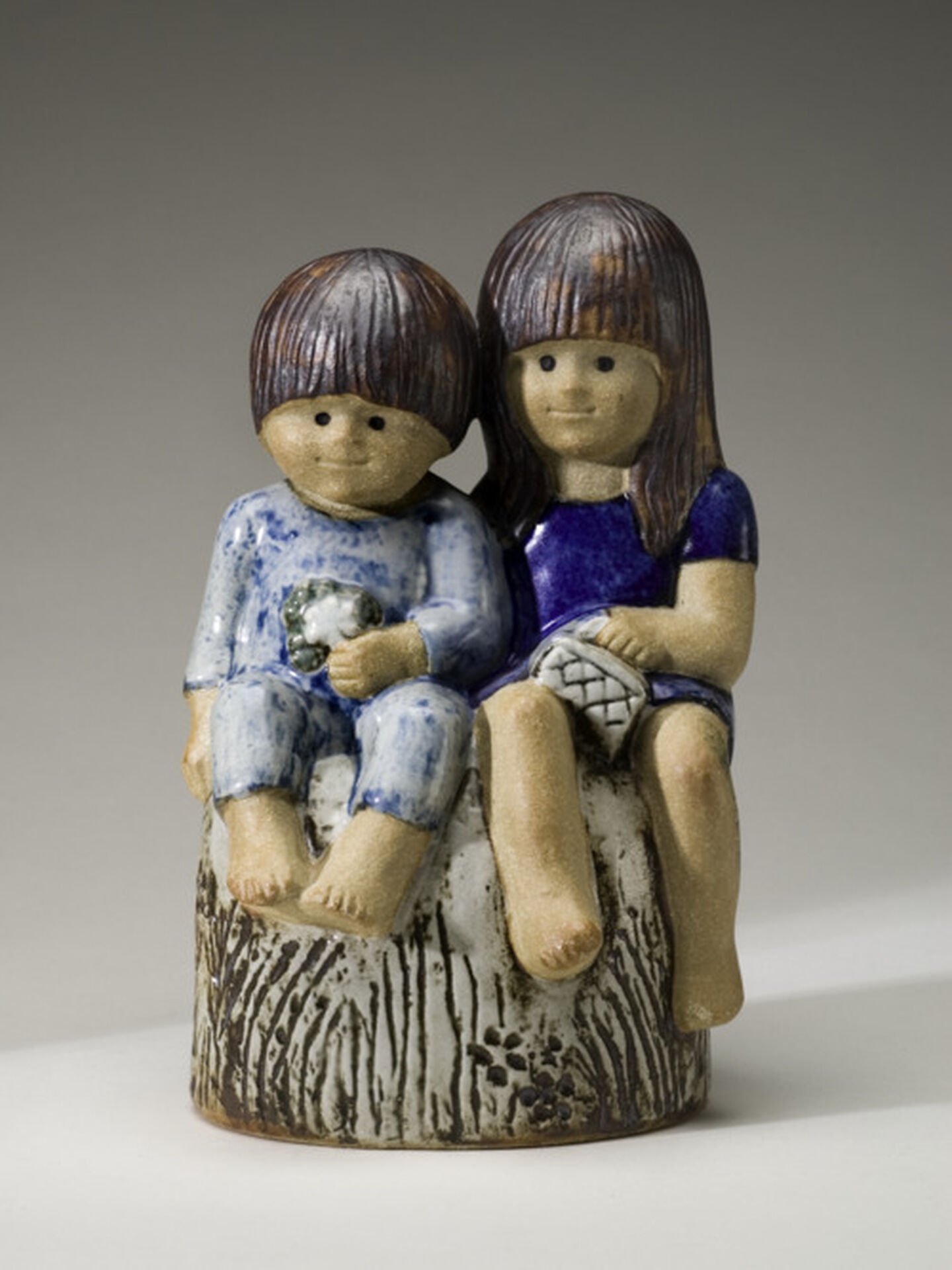
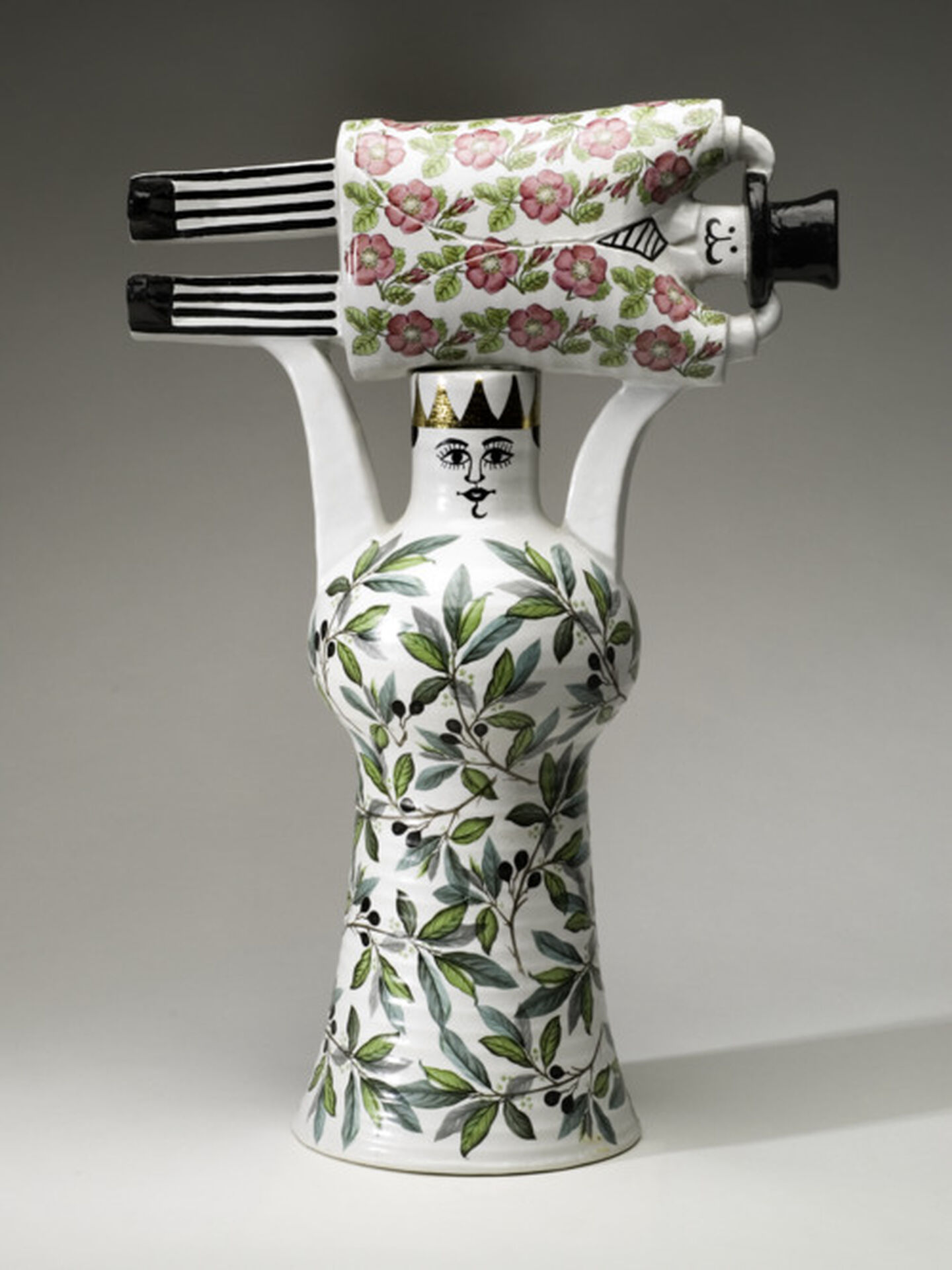
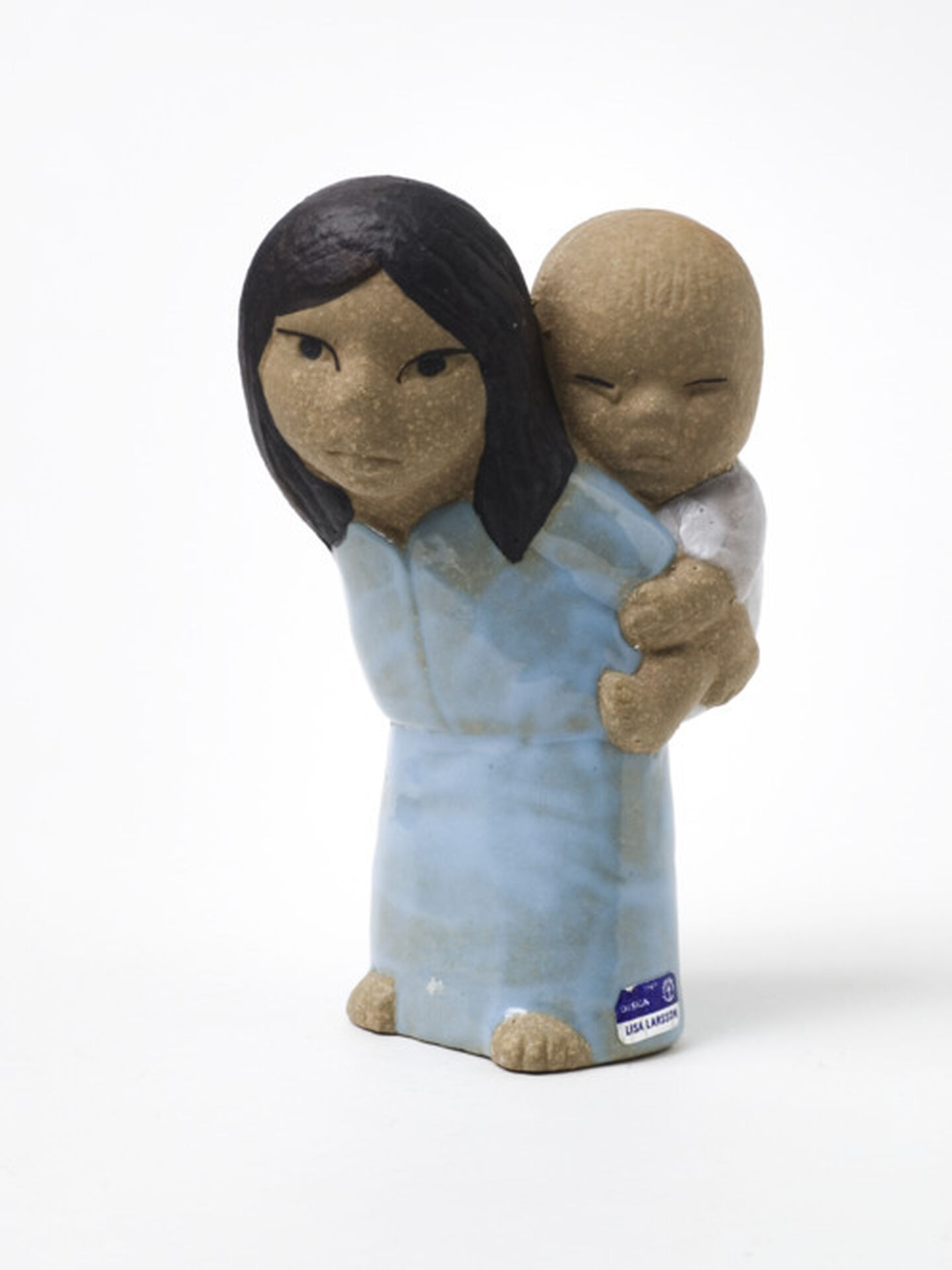
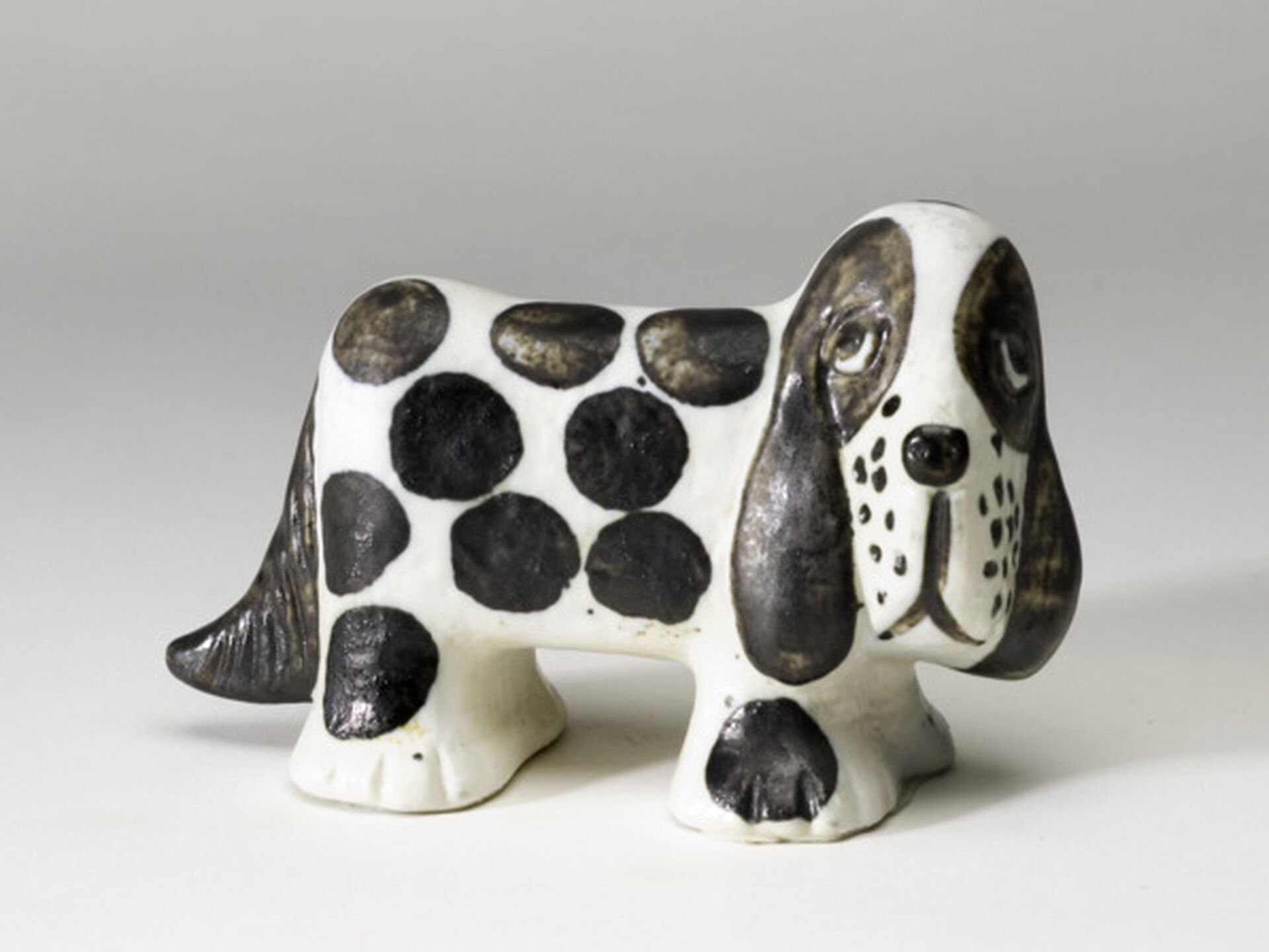
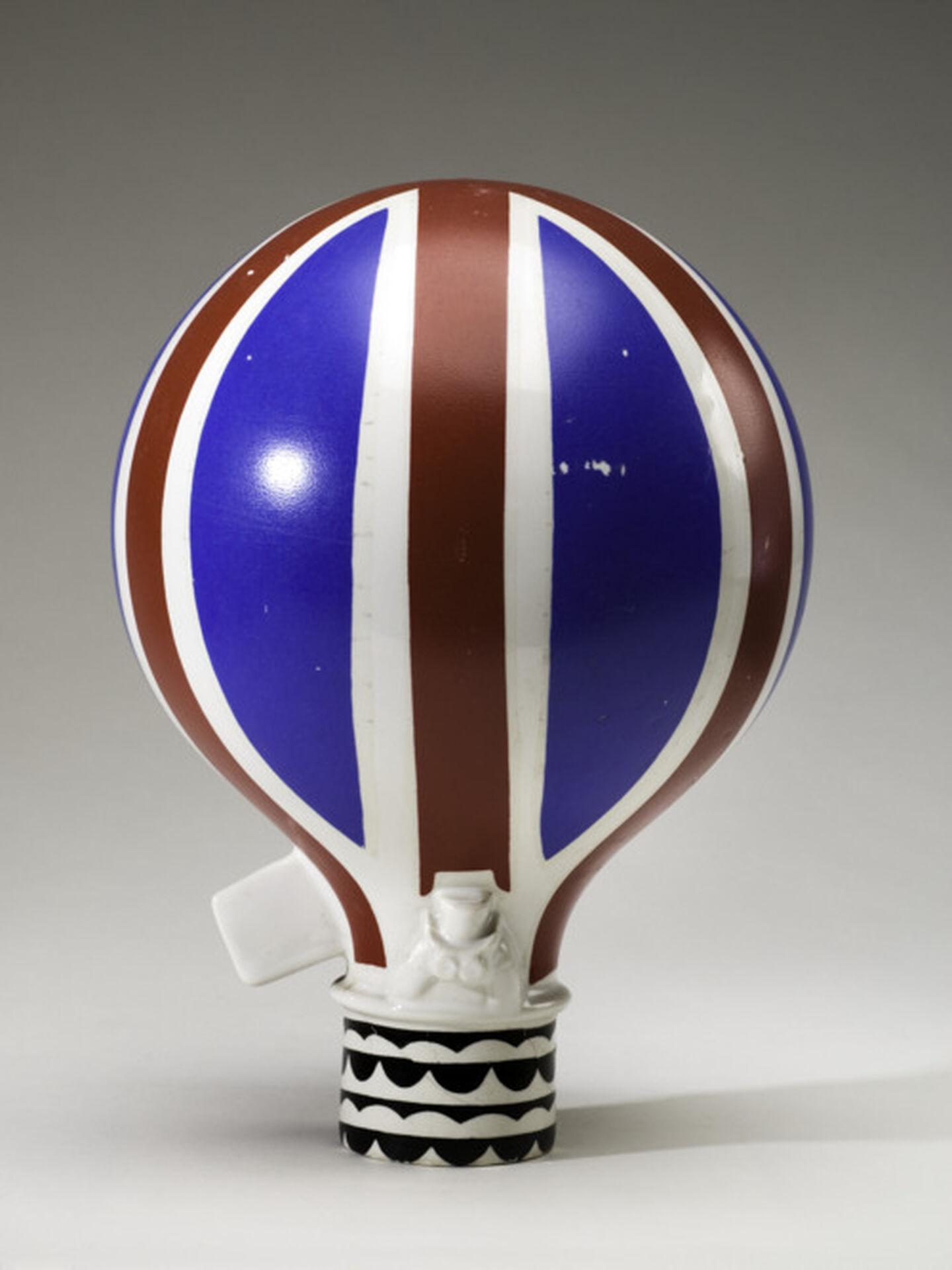
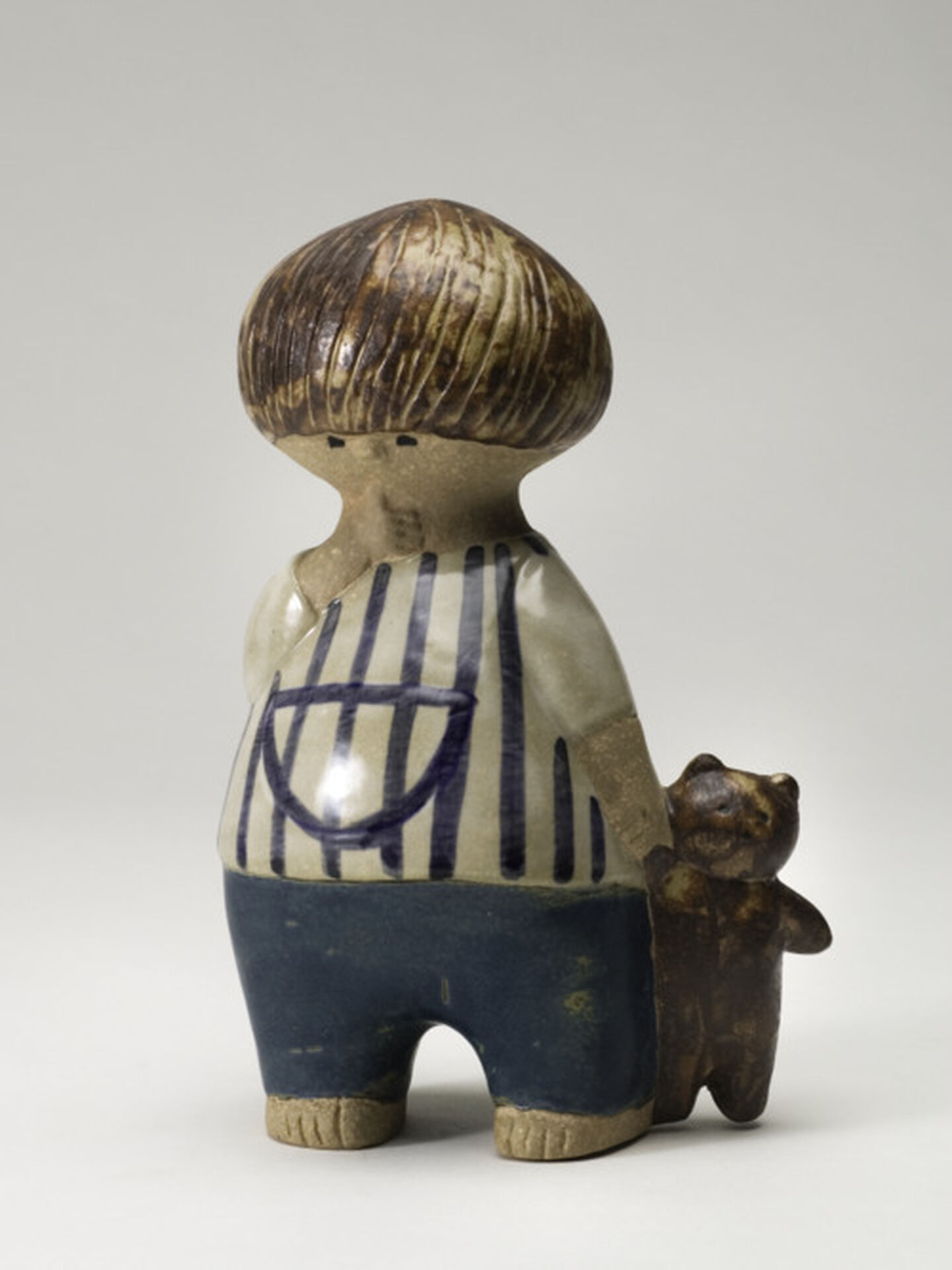
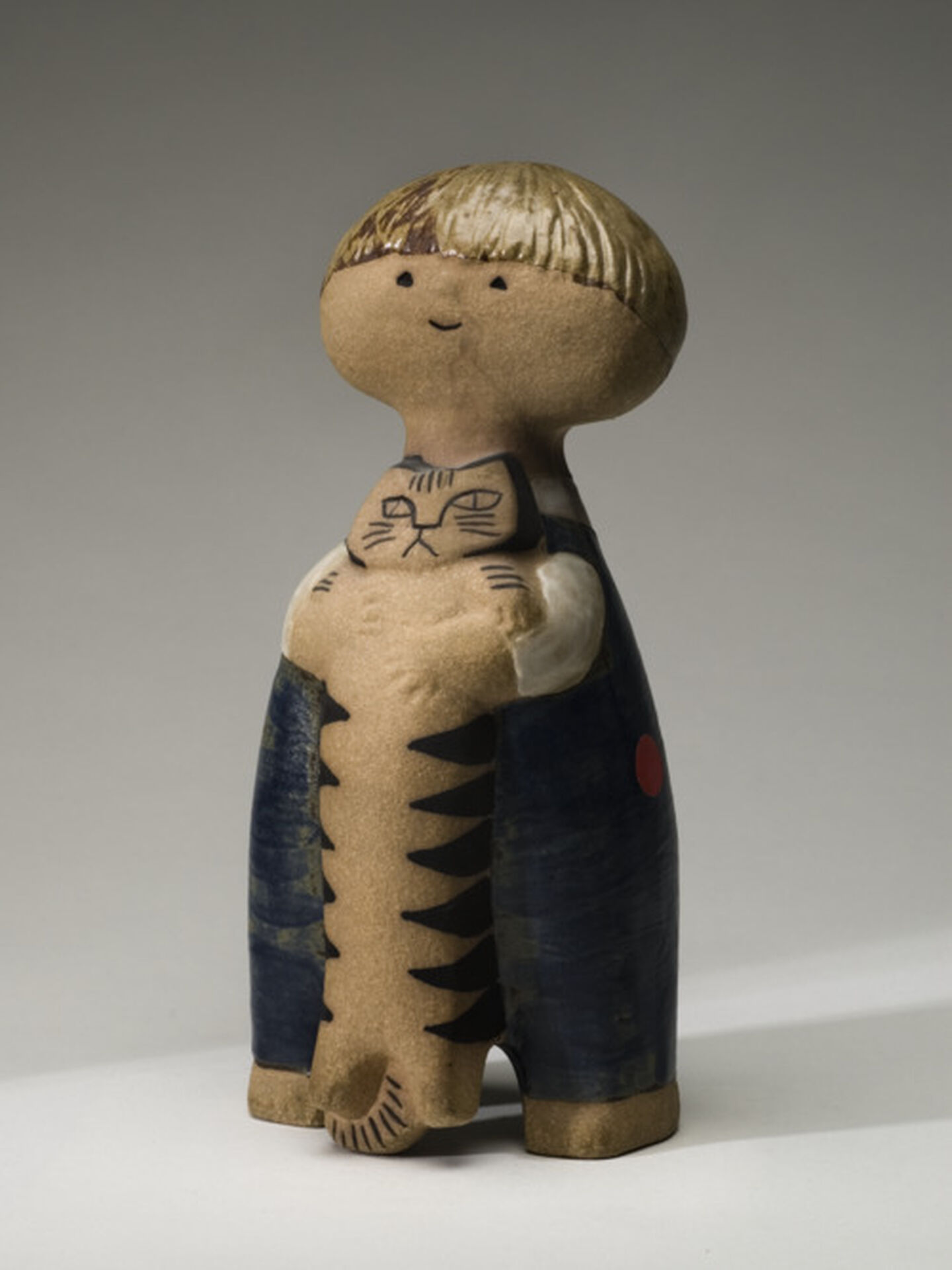
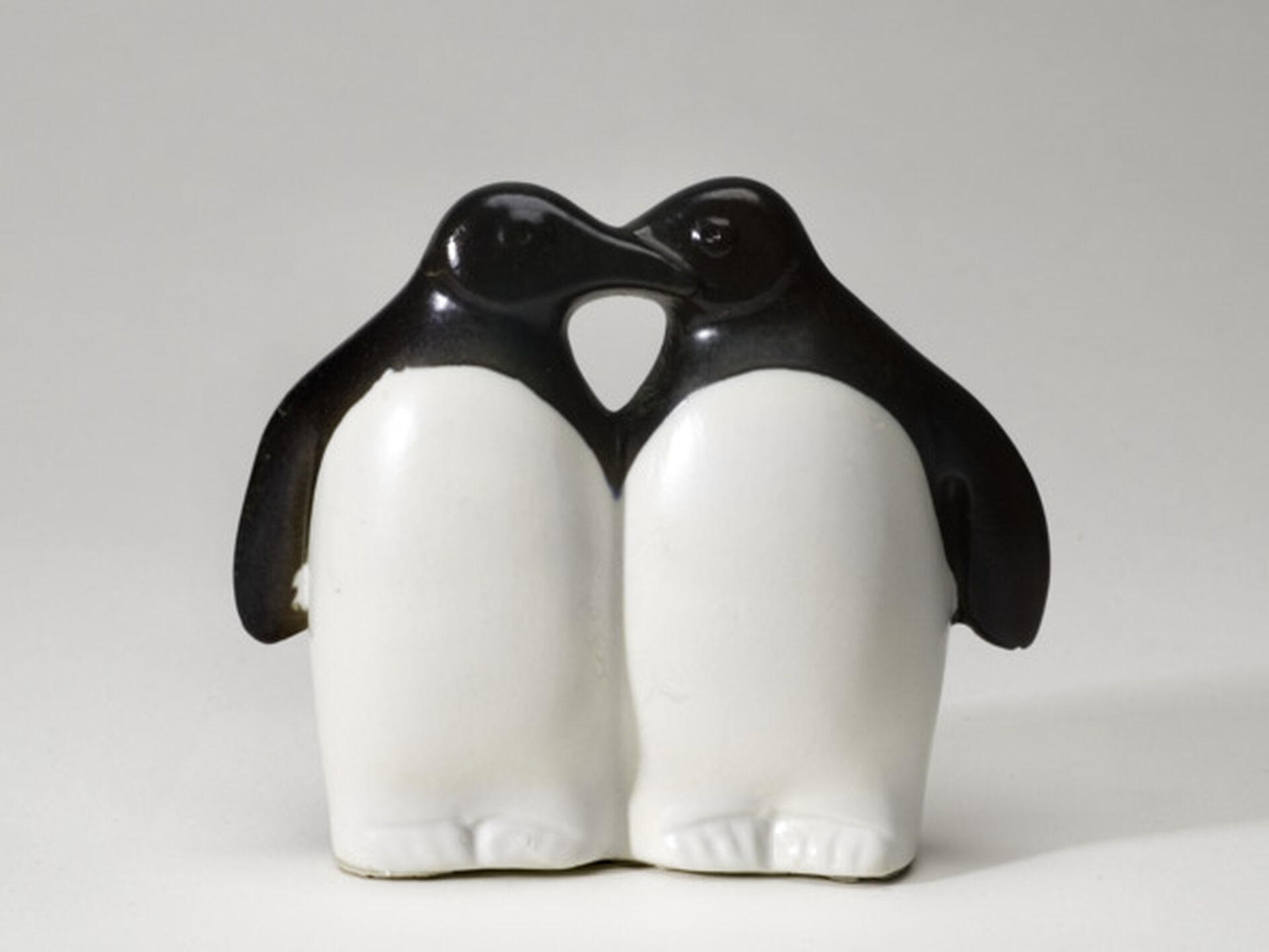
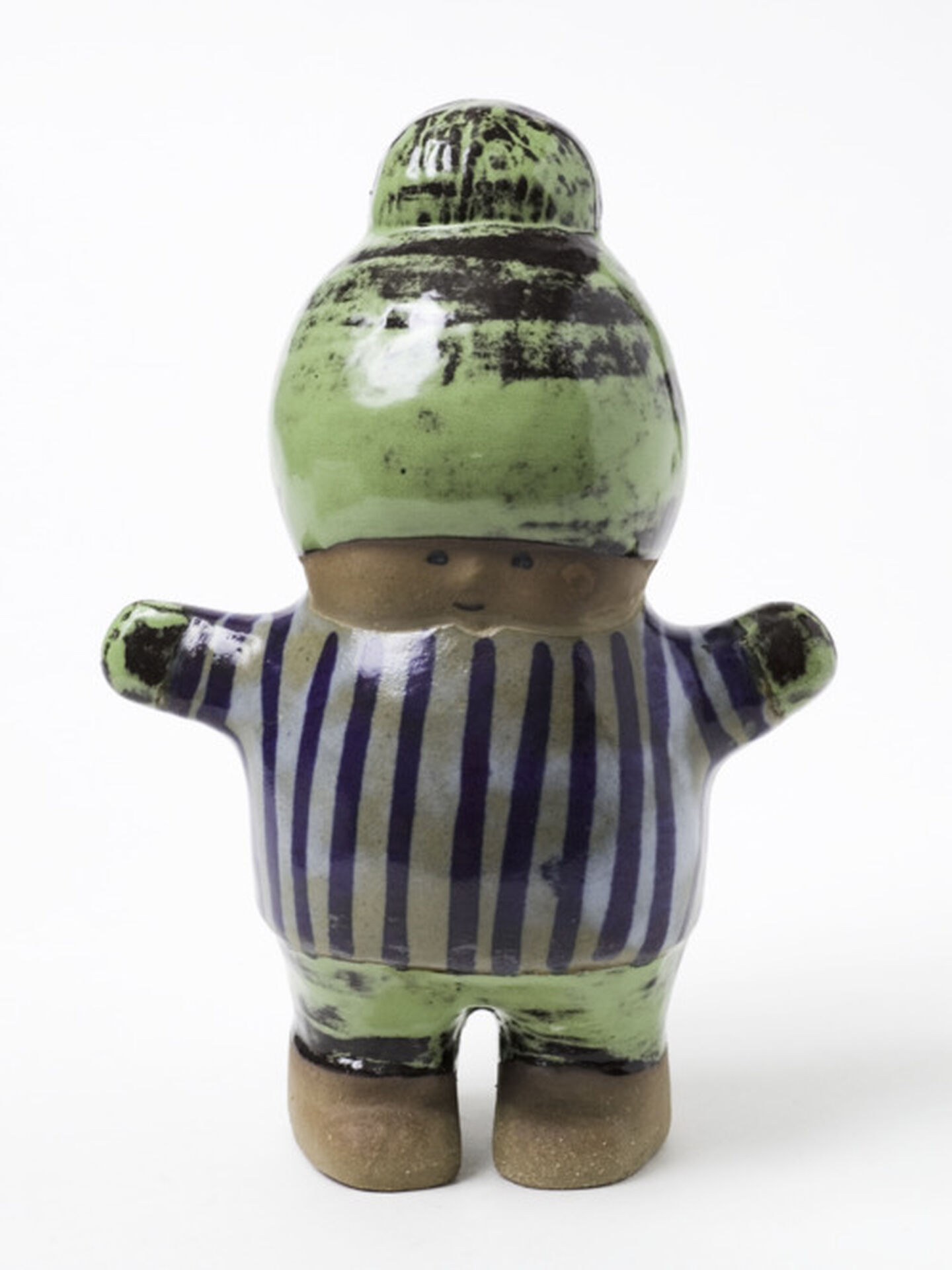

The motifs often return to everyday life: family, childhood, animals, relationships. The figures are usually not portraits of individual people, but rather types and moods. There is a clear desire to highlight human closeness, while keeping the design language simple. During this period, Gustavsberg was a center for Swedish design, and Lisa Larson became one of the factory's public faces.
Her objects were distributed through department stores, shops, and exports, and became widespread in homes. They served both as decorative objects and as functional items, moving between everyday use and collector's interest. Today, many of these objects are considered design classics. They reflect a time when Swedish design strove to combine accessibility with artistic quality, and Lisa Larson's work has been of great importance to this development.
Freelance work, the Ceramics Studio, and later years
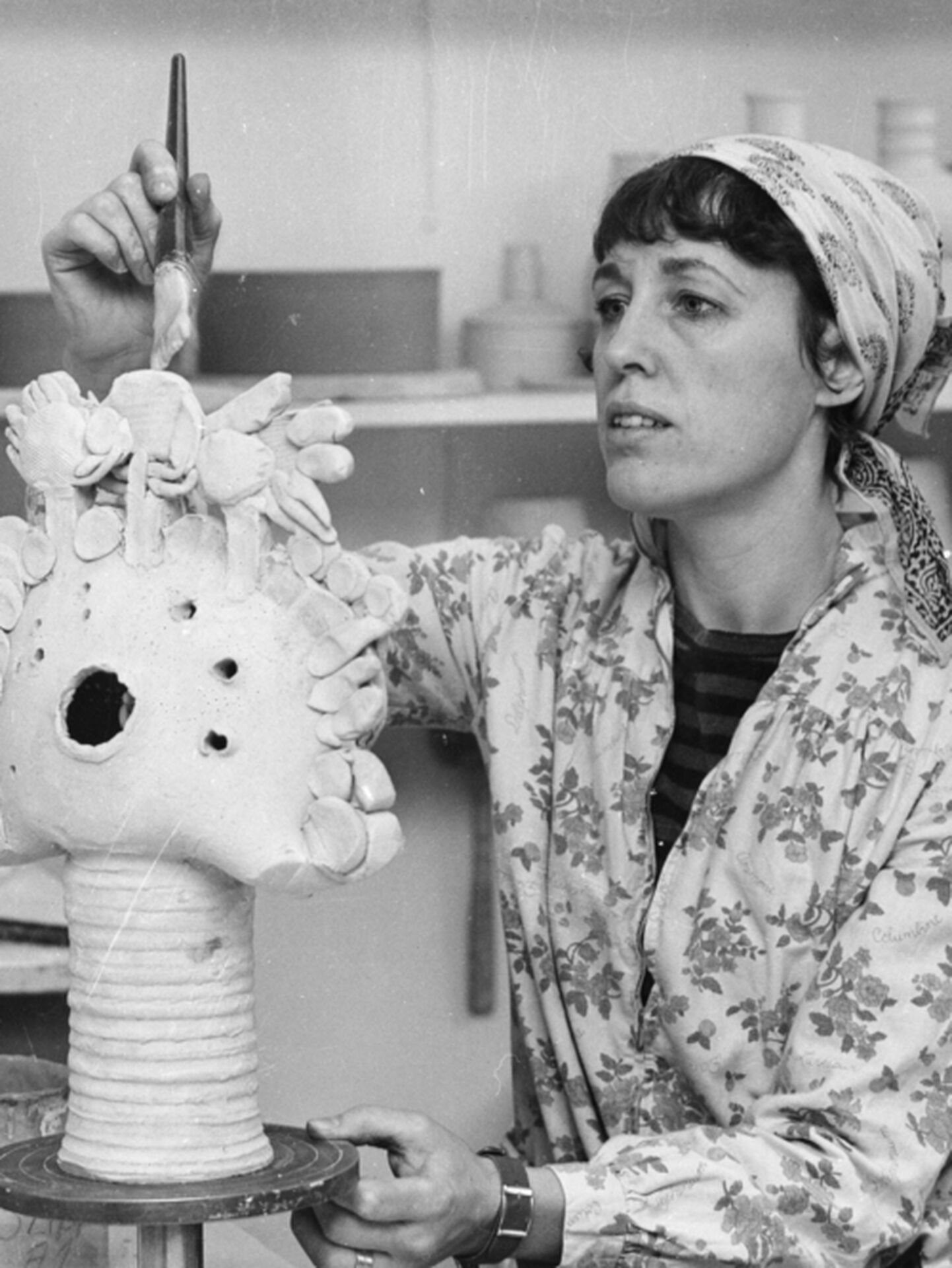
In 1980, Lisa Larson left her job at the Gustavsberg porcelain factory to work on her own. She continued as a designer and sculptor, with commissions for Rosenthal, Kooperativa Förbundet, Duka, Höganäs, and various glassworks, among others. During this phase, she combined series production with more unique works and exhibitions, sometimes in collaboration with or in the same context as her husband, the artist Gunnar Larson.
An important continuation of her connection with Gustavsberg was Keramikstudion Gustavsberg, founded in 1992 by Lisa Larson together with Franco Nicolosi and Siv Solin. The studio still produces her figures, often in small editions, based on both historical models and newer designs. The business has helped to keep her design language alive in Gustavsberg, even after the factory's heyday.
Lisa Larson's work has also had a major international impact. In Japan in particular, her figures have attracted attention through exhibitions, publications, and collaborations. Her motifs have appeared in materials and contexts other than ceramics, which has further spread awareness of her design language.
Her objects are represented in museum collections, but also in many private homes, where they have often been inherited or collected over time. In 2022, she was awarded the government's Illis quorum medal for significant contributions to Swedish art and design. The award underscores the position she has taken in Swedish design history.
Sources
Gustavsberg Porslinet Fabriken Konstnärerna (Gustavsberg Porcelain Factory Artists), author Gösta Arvidsson.
Lisa Larson – Serietillverkad keramik (Lisa Larson – Mass-produced Ceramics), Gustavsbergs porslinsfabrik 1954–80
(Gustavsberg Porcelain Factory 1954–80), author: Andreas Ribbung
Gustavsberg Nationalmuseums Collections, editors: Helena Kåberg, Ulrika Schraeder
Lisa Larson Among Lions and Angels, author: Gisela Eronn
Websites:
Lisa Larson Alster, her own website: lisalarson.se
Article in GP: Lisa Larson – a life with clay. gp.se
Röhsska: rohsska.se
Learn more about Lisa Larson
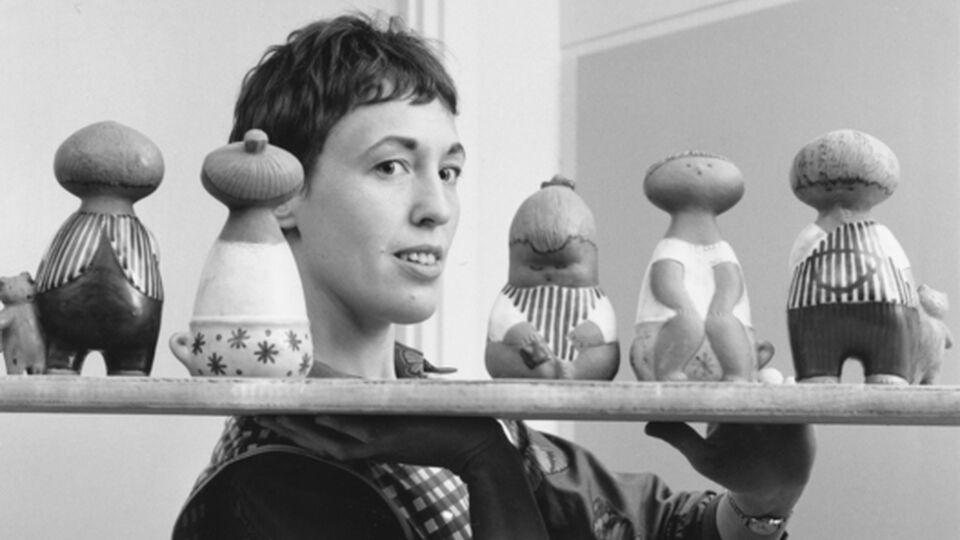
Lisa Larson
Lisa Larson is perhaps Sweden’s best-known ceramic artist, and her figurines are undoubtedly the most beloved.