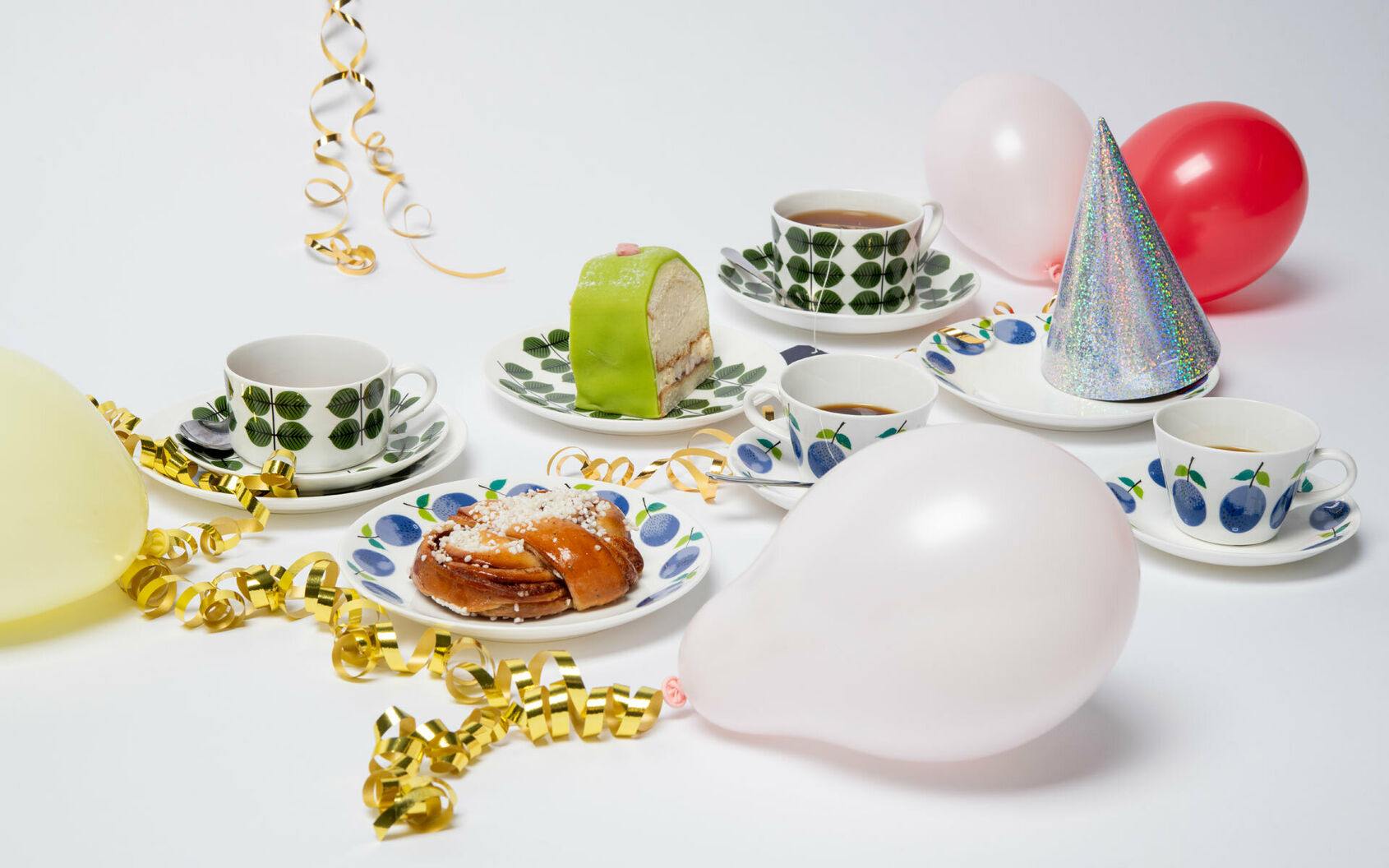
Blå blom, Berså and Nobel – all well-known Gustavsberg tableware that adorned festive tables and added a special touch to everyday meals over the years. With its exhibition titled Festive Table Settings! 200 Years in the Heartland of Porcelain, the Gustavsberg Porcelain Museum celebrated the fact that the porcelain factory had been supplying Swedish homes with porcelain for two centuries.
Since its inception in 1825, the Gustavsberg Porcelain Factory’s popular designs and carefully crafted details had defined the atmosphere for those festive occasions in life. Focusing on tableware and set tables, this anniversary exhibition showcased items that reflected aesthetic ideals and innovative developments. It also provided insight into the rich history of the factory. The exhibition showed how porcelain had evolved over time, from the grand tableware of the nineteenth century to the iconic shapes and patterns that defined the twentieth century.
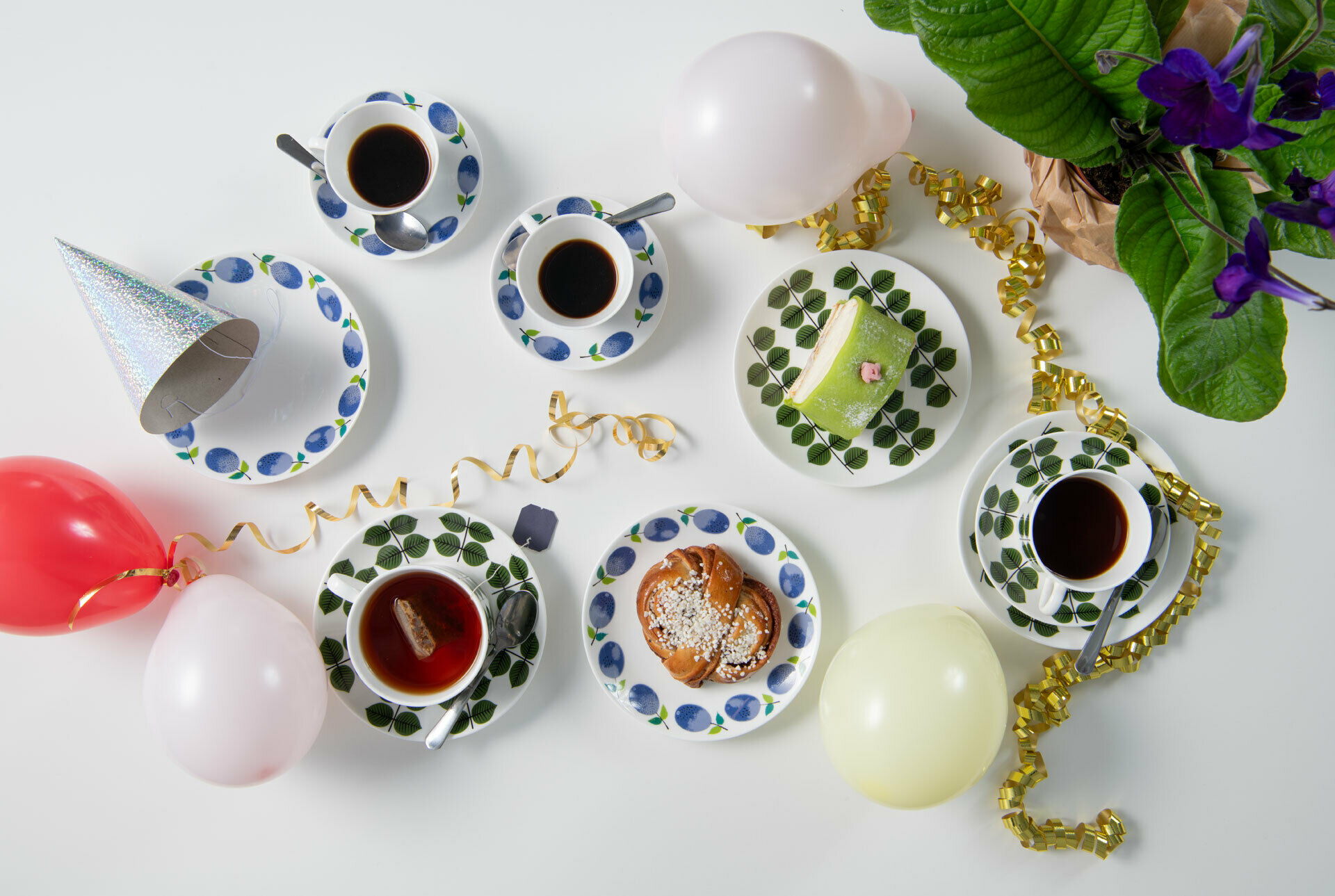
Porcelain produced by The Gustavsberg Porcelain Factory. Photo: Viktor Fordell/Nationalmuseum.
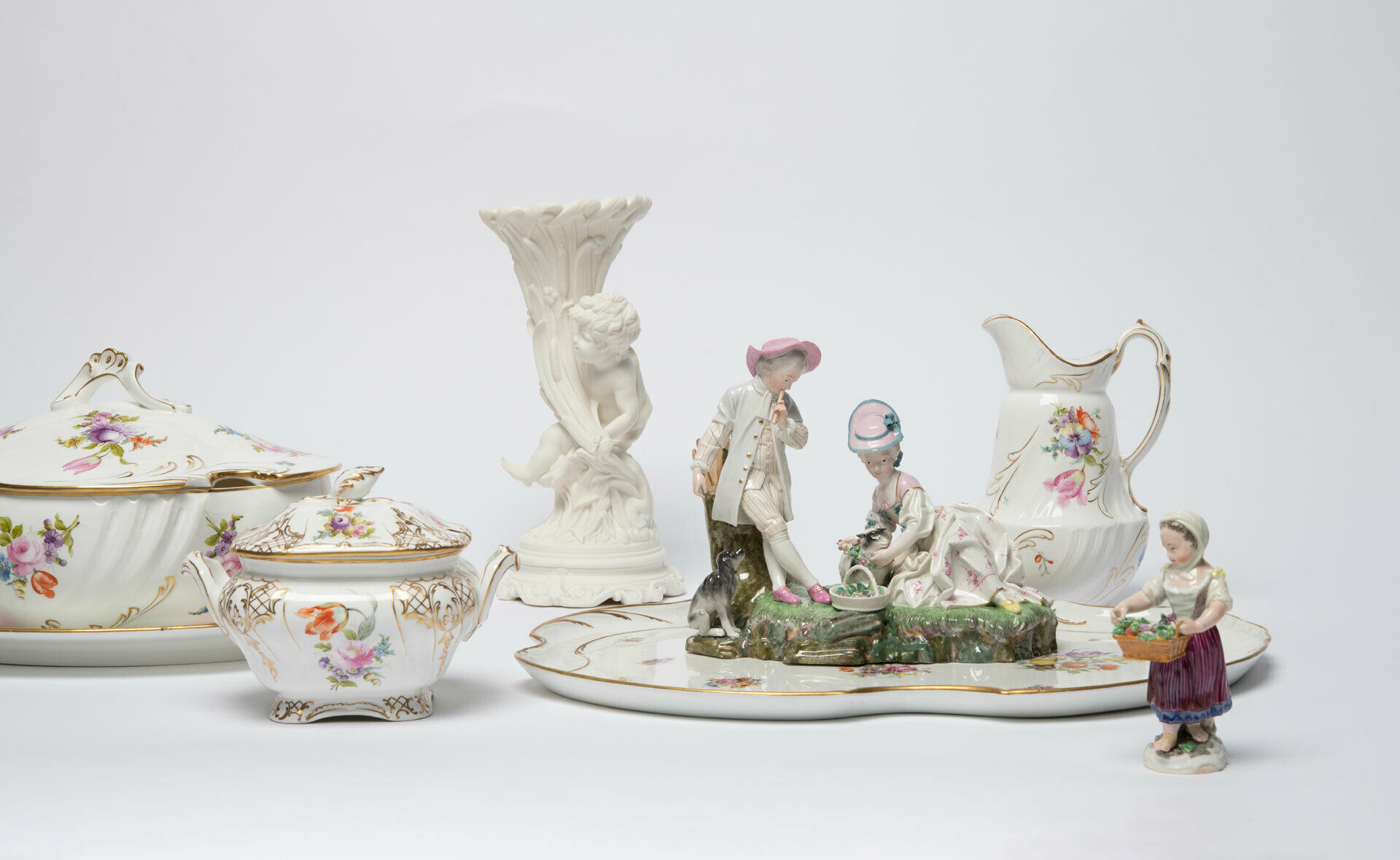
Porcelain produced by The Gustavsberg Porcelain Factory. Photo: Viktor Fordell/Nationalmuseum.
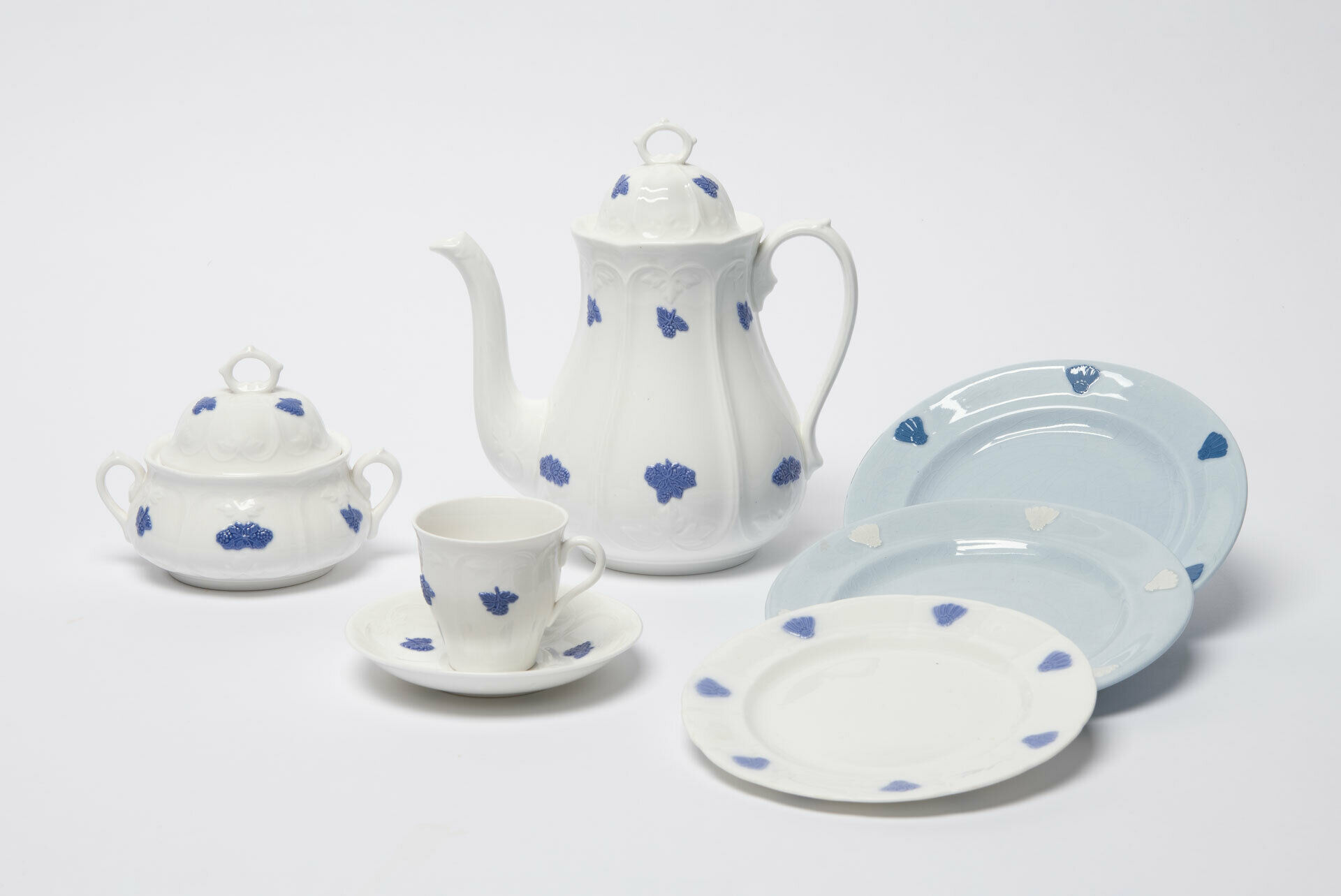
Porcelain produced by The Gustavsberg Porcelain Factory. Photo: Viktor Fordell/Nationalmuseum.
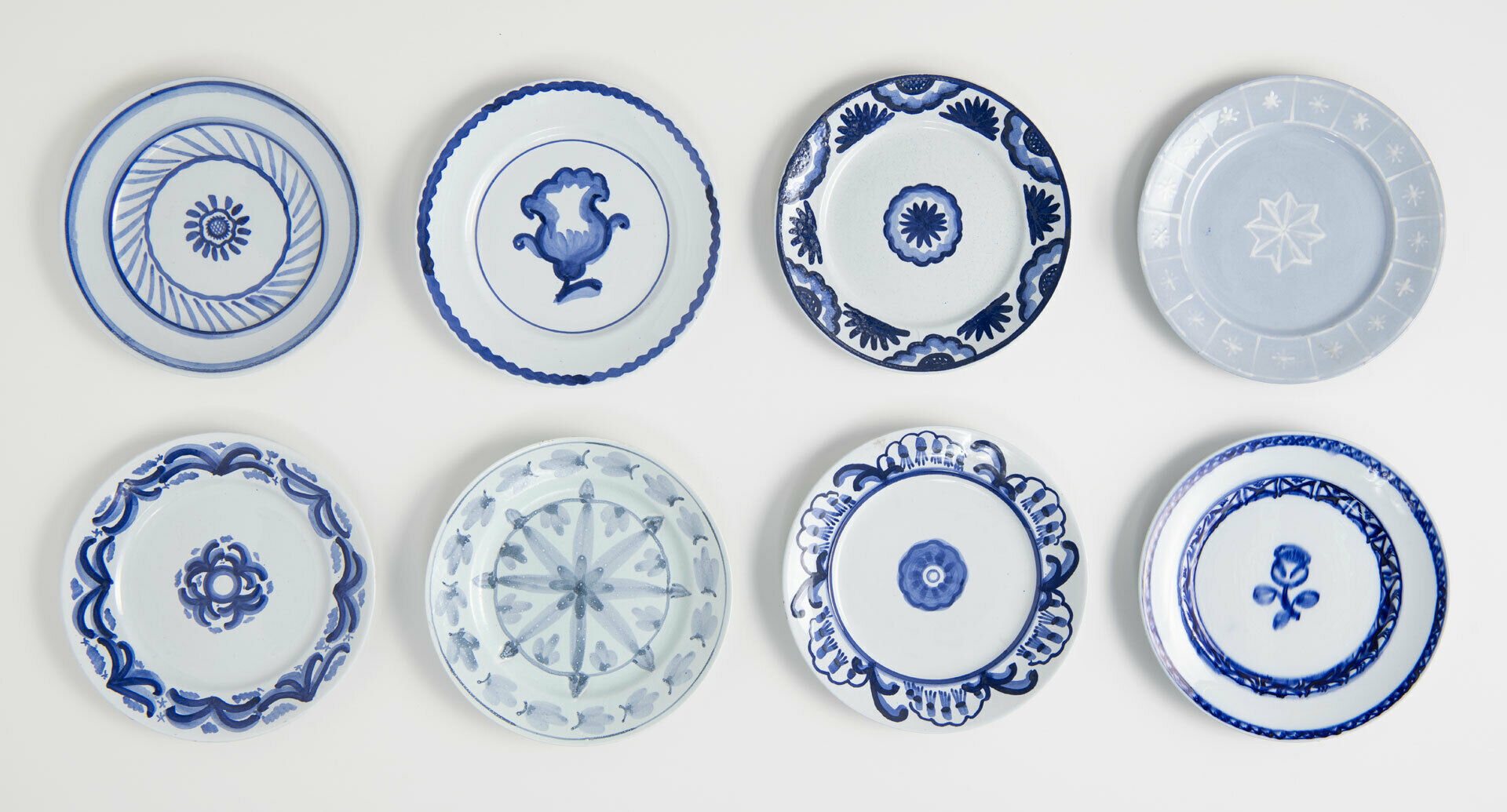
Porcelain produced by The Gustavsberg Porcelain Factory. Photo: Viktor Fordell/Nationalmuseum.
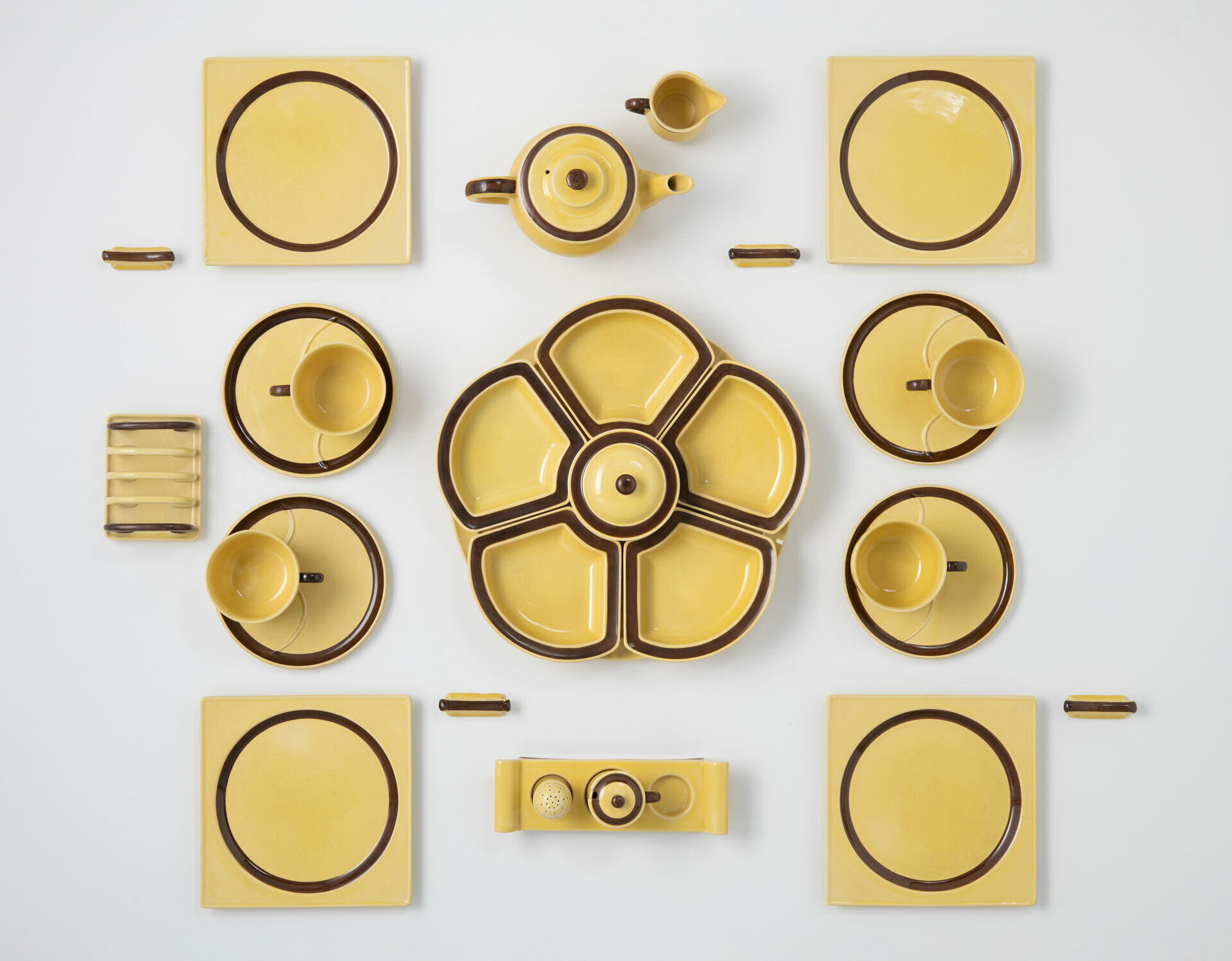
Porcelain produced by The Gustavsberg Porcelain Factory. Photo: Viktor Fordell/Nationalmuseum.
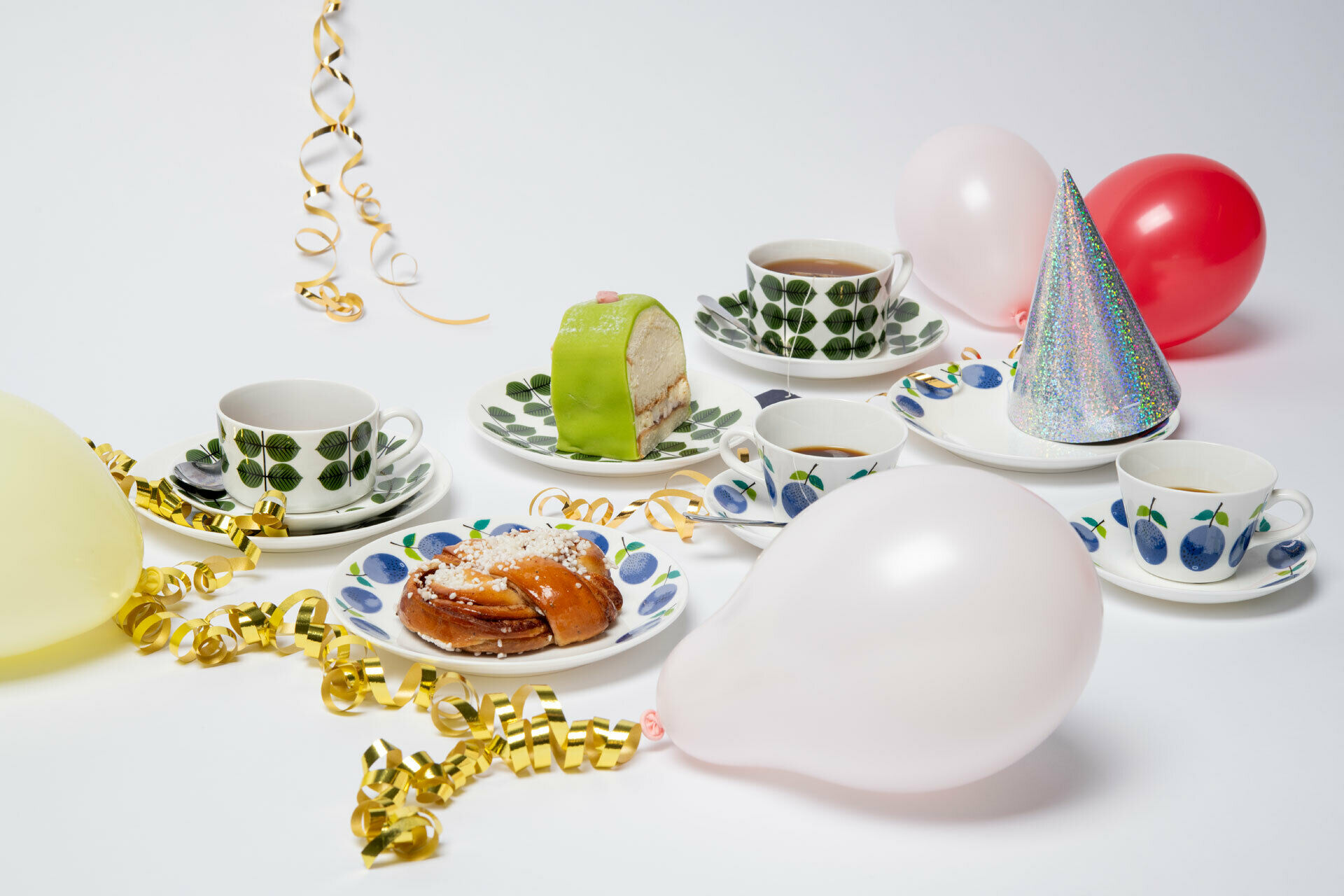
Porcelain produced by The Gustavsberg Porcelain Factory. Photo: Viktor Fordell/Nationalmuseum.
From splendour to practicality
Nineteenth-century industrialisation resulted in the emergence of an affluent middle class. Organising grand dinners and suppers was a way for people to show off their status and wealth. The ideal was to hold lavish banquets using hundreds of pieces of tableware, all intricately designed and richly decorated to match the scale of the feast. The exhibition featured a selection of these pieces.
Economic challenges in the early twentieth century led to the streamlining of production and design. At Gustavsberg, this development continued when Kooperativa Förbundet (The Swedish Cooperative Wholesale Society) bought the factory in 1937. Models were simplified and made stackable and multifunctional. The aim was to create quality products at low prices and household tableware that would fit in the kitchen cupboards of even the most cramped of homes. The exhibition featured table settings with efficient innovations dating back to that period.
Celebrations and special touches
In the mid-twentieth century, designers such as Wilhelm Kåge and Stig Lindberg played prominent roles as artistic directors. The exhibition featured a number of examples of their iconic works, from Kåge’s functionalist forms to Lindberg’s playful and innovative designs. The table settings showed how art and everyday life could be united by means of utilitarian items that were both practical and aesthetically pleasing.
The highlights of the exhibition included the renowned Nobel tableware, specially created for that grandest of occasions, the Nobel Banquet. Bearing Karin Björquist’s elegant design, the Nobel tableware illustrated the factory’s ability to combine tradition with innovation. This provided visitors with insight into the assignment that led to the creation of this exclusive tableware.
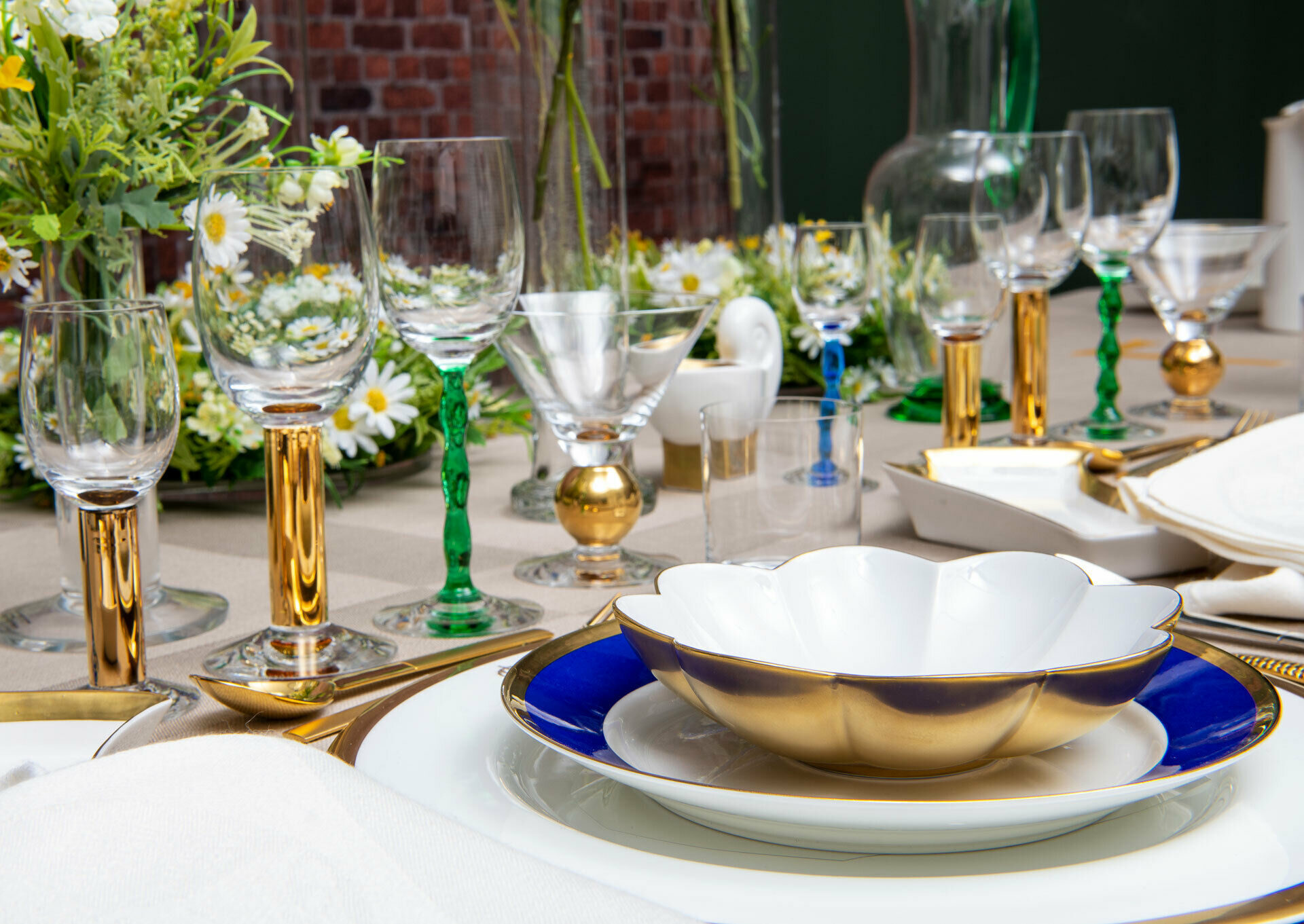
The Nobel tableware. Photo: Viktor Fordell/Nationalmuseum.
A special touch for life’s wonderful moments
The exhibition Festive Table Settings! 200 Years in the Heartland of Porcelain was not merely a glimpse into the history of Gustavsberg. Table settings from different eras provided visitors with the opportunity to reflect on how design and craftsmanship had changed over time, and also on what endures – the desire to create beautiful table settings that added a special touch to all those wonderful moments in life.
The exhibition ran throughout the anniversary year and offered all porcelain lovers the opportunity to experience how Gustavsberg had been setting tables with style for two hundred years of celebrations.
Curator
Ulrika Schaeder
Scenographer
Joakim E Werning
The celebration of 200 years in the heartland of porecelain
At the Gustavsberg Porcelain Museum, part of Nationalmuseum, two hundred years of craftsmanship were celebrated with half-price admission during the anniversary year, from 4 April until 31 December.
Nationalmuseum also celebrated the anniversary with a Stig Lindberg exhibition at Läckö Castle.